
New Jersey Sales Tax Exemption for Wound Care Products
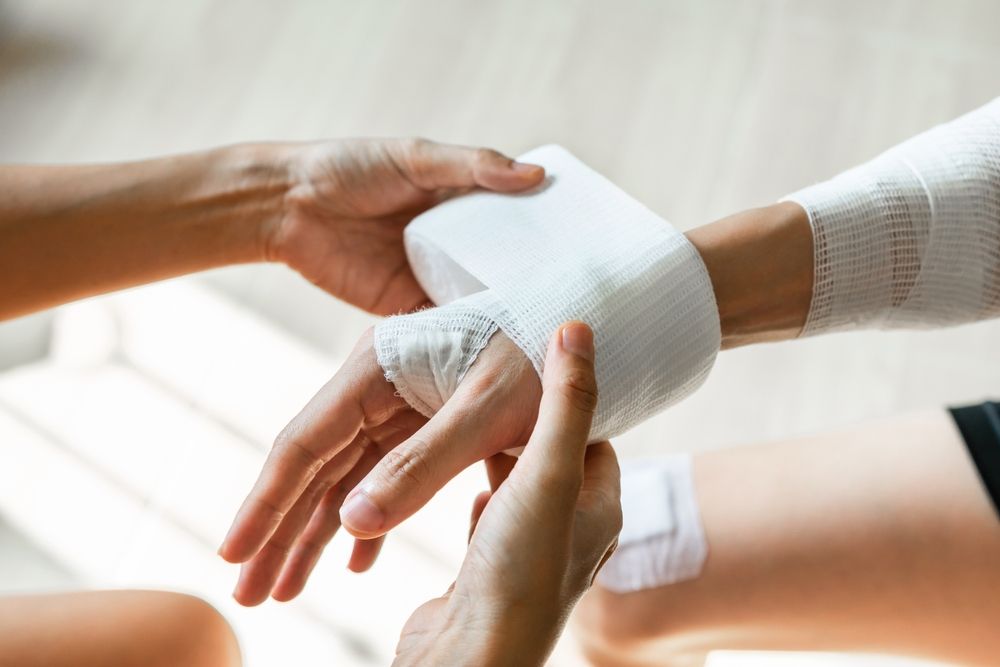
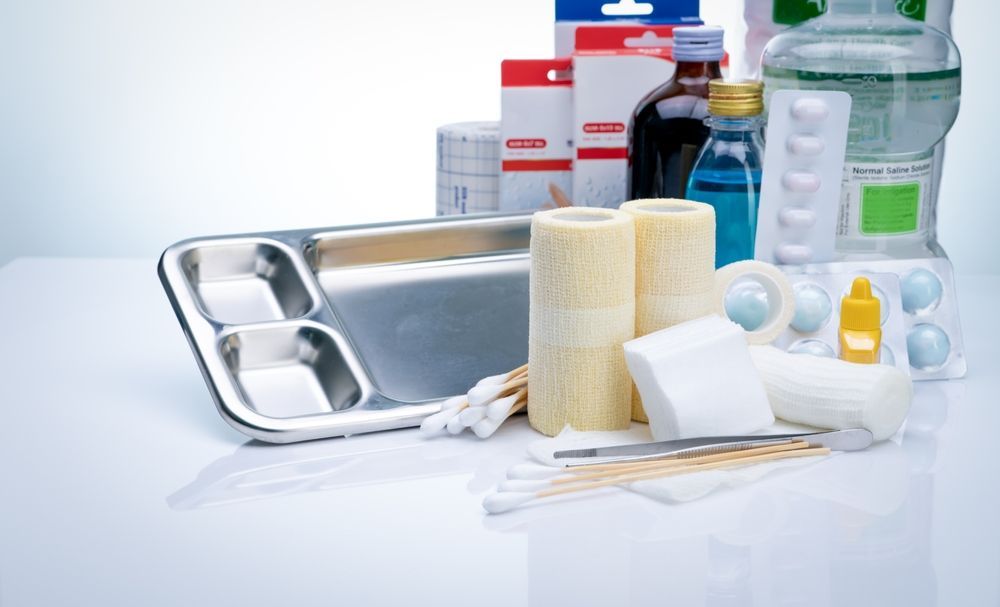
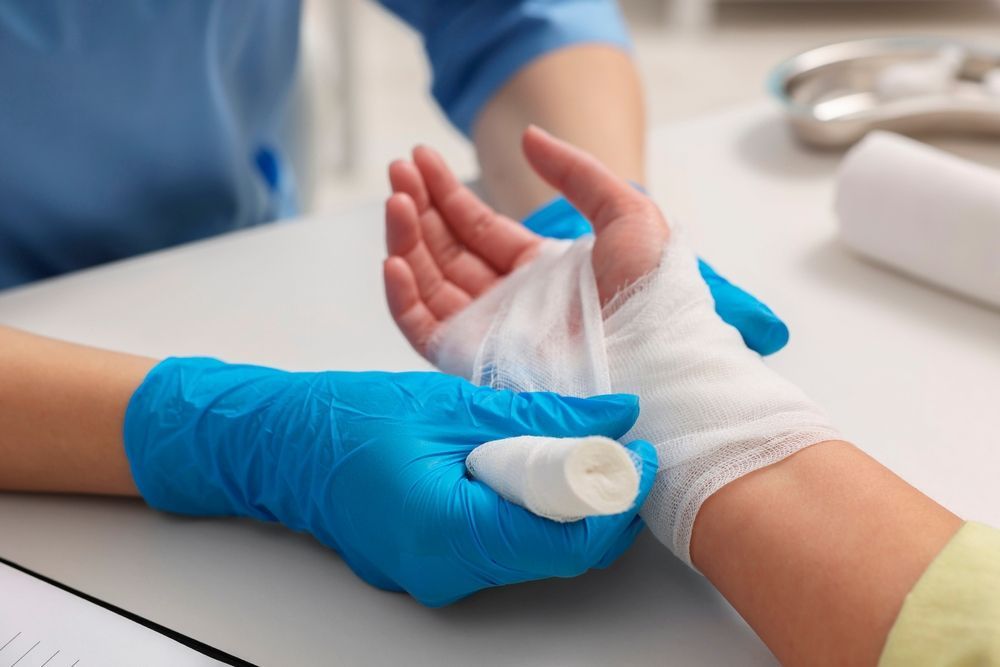
New Jersey provides sales and use tax exemptions for certain wound care products purchased by healthcare providers, including hospitals, ambulatory surgical facilities, long-term acute care facilities, and skilled nursing facilities. These exemptions apply to medicated wound care products qualifying as prescription drugs under N.J. Rev. Stat. § 54:32B-8.1(a)(1) and to wound closure products, dressings, bandages, and gauze qualifying as prosthetic devices under N.J. Rev. Stat. § 54:32B-8.1(a)(4). New Jersey's definitions for "drugs" and "prosthetic devices" conform to the Streamlined Sales and Use Tax Agreement (SSUTA) framework, ensuring consistency with multi-state standards.
Agile Consulting Group’s Guidance from the New Jersey Division of Taxation
The pioneers at Agile Consulting Group submitted a comprehensive ruling request to the New Jersey Division of Taxation in September 2025, seeking clarification on the taxability of medicated wound care dressings, wound closure products, and non-medicated wound care supplies. On October 21, 2025, the Division's Regulatory Services Branch issued formal guidance confirming that most wound care products qualify for the sales and use tax exemption as prescription drugs or prosthetic devices. The Division's guidance, however, imposed one significant limitation: pre-loaded skin staplers (devices that mechanically cut tissue and simultaneously apply surgical staples) do not qualify as prosthetic devices because they serve a dual function beyond simple wound closure. While the staples themselves are prosthetic devices, the stapler device is taxable unless the transaction qualifies as a bundled transaction under New Jersey's bundling rules. Specifically, the seller's purchase price or sales price of the taxable stapler component must be 50% or less of the total transaction price for the entire sale to be exempt.
Medicated Wound Care Products Qualifying as Prescription Drugs
The following medicated wound care products contain drugs that are "intended for use in the diagnosis, cure, mitigation, treatment, or prevention of disease" or "intended to affect the structure or any function of the body" under N.J. Rev. Stat. § 54:32B-8.1(b). These products bear FDA-mandated "Rx Only" labeling and qualify for the sales and use tax exemption when sold to healthcare providers:
- Antimicrobial silver dressings
- Antimicrobial honey dressings
- PHMB-impregnated dressings
- Analgesic dressings
- Enzymatic debriding agents
- Growth factor dressings and gels
- Charcoal dressings
- Collagen-based dressings
- Skin substitutes
Wound Closure Products Qualifying as Prosthetic Devices
The Division confirmed that the following wound closure products qualify as prosthetic devices under N.J. Rev. Stat. § 54:32B-8.1(a)(4) because they are "replacement, corrective, or supportive devices worn on or in the body" that prevent or correct physical deformities or malfunctions by restoring skin continuity and promoting proper wound healing:
- Skin closure devices
- Skin closure strips
Pre-Loaded Skin Staplers
The Division ruled that pre-loaded skin staplers are taxable because they mechanically cut tissue in addition to applying staples, which means they do not meet the definition of a prosthetic device. However, if the stapler and staples are sold together for one non-itemized price and qualify as a bundled transaction, the entire sale may be exempt if the seller's purchase price or sales price of the taxable stapler component is 50% or less of the total transaction price. The staples themselves, whether titanium, stainless steel, plastic, or absorbable, qualify as prosthetic devices when sold separately.
Non-Medicated Dressings, Bandages, and Gauze Qualifying as Prosthetic Devices
The Division confirmed that non-medicated wound care products qualify as prosthetic devices only if they meet the statutory definition by preventing or correcting physical deformities or malfunctions, or by supporting weak or deformed body parts. Examples of qualifying products include Ace bandages, elastic non-Ace bandages, and arm slings. The Division did not provide blanket exemption for all non-medicated dressings, bandages, and gauze, healthcare providers should evaluate each product to determine whether it meets the definition of a prosthetic device. Products that do not meet the definition remain taxable unless another exemption applies.
How to Claim the Exemption
Healthcare providers purchasing qualifying wound care products should issue a fully completed New Jersey Exempt Use Certificate (Form ST-4) to their sellers. The certificate should reference the applicable statutory provision and specify that the products meet the exemption requirements as either a prescription drug in N.J. Rev. Stat. § 54:32B-8.1(b) or prosthetic device in N.J. Rev. Stat. § 54:32B-8.1(a)(4).
How to Recover New Jersey Taxes Previously Paid to Vendors
Healthcare facilities that paid New Jersey sales or use tax on qualifying wound care products may file a refund claim using New Jersey Division of Taxation Form A-3730 (Claim for Refund) to recover these overpaid taxes. New Jersey allows refunds for purchases made within four years from the date the tax was paid. Facilities must provide detailed documentation with their refund claim, including:
- A detailed exemption worksheet identifying each qualifying product, the tax paid, and the applicable exemption statute
- Copies of invoices showing the sales tax paid
- Proof of taxes paid on each purchase, which can include cancelled checks or bank statements with check registers reconciling with each invoice
- Product documentation (labeling, inserts, GUDID references) demonstrating the items qualify as prescription drugs or prosthetic devices
The consultants at Agile Consulting Group have experience in recovering overpaid sales taxes from the New Jersey Division of Taxation and can assist any New Jersey healthcare provider with this cumbersome process.
Reach Out to Us with Questions
If you have any questions, comments or would like to discuss the specific circumstances you are encountering in regard to this issue or need assistance with a sales tax refund review or any other sales and use tax issue, please contact a member of Agile Consulting Group's sales tax consulting team at (888) 350-4TAX (4829) or via email at info@salesandusetax.com.