Missouri Sales Tax Exemption for Prosthetic Devices
AGILE CONSULTING GROUP
Written by: Mike Martin
The Missouri sales tax exemption for prosthetic devices allows healthcare providers in the state to purchase prosthetic devices exempt from state and local sales and use tax. Missouri Revisor of Statutes 144.030.2(18) states that all sales of prosthetic devices, as defined by the federal Medicare program pursuant to Title XVIII of the Social Security Act of 1965, are exempt from sales and use tax. This exemption is also explained in Missouri Code of State Regulations 10-110.013 , which defines the term prosthetic devices differently from the statute. In this regulation, prosthetic device is defined as “ a device that replaces all or part of the function of a permanently inoperative or malfunctioning internal body organ and is medically required .” The regulation provides some examples of qualifying prosthetic devices, which include:
- Breast prosthetics
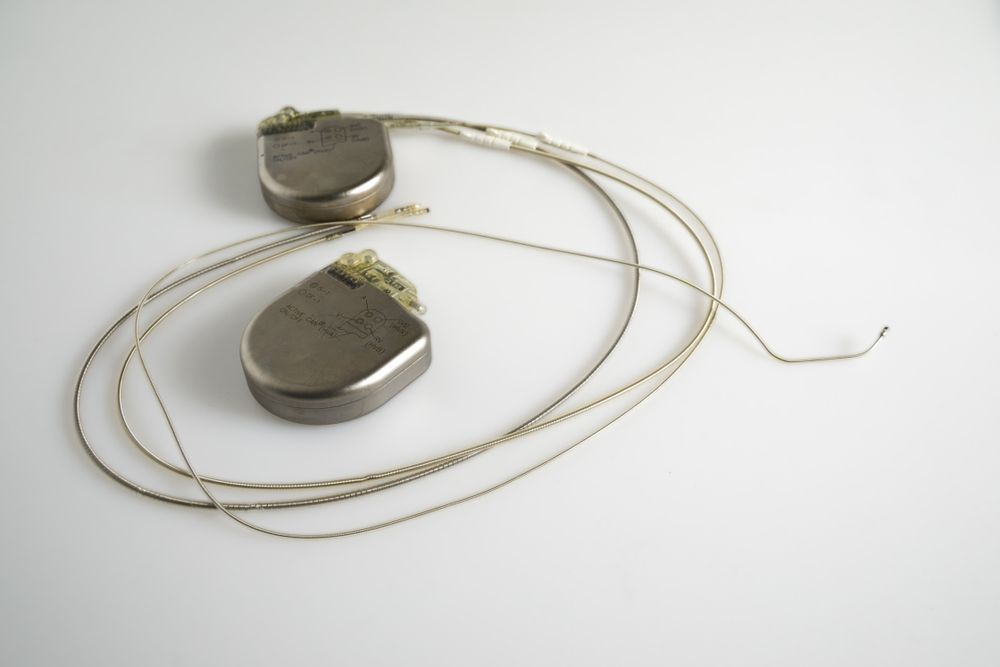
- Cardiac pacemakers
- Colostomy bags, ostomy bags, and necessary equipment required for attachment
- Hemodialysis equipment
- Maxillofacial devices and devices which replace all or part of the ear or nose
- Intraocular lens
- Urinary collection systems, including foley catheters, when replacing bladder function
Agile Consulting Group’s Recent Guidance
The pioneers at Agile Consulting Group noticed that the Missouri sales tax exemption for prosthetic devices has conflicting definitions of the term “prosthetic devices” between the Revisor of Statutes and the Code of State Regulations, and requested some guidance from the General Counsel’s Office with the Department of Revenue to clarify this conflict.
The original basis for the Missouri sales tax exemption for prosthetic devices in MO Rev. Stat. 144.030.2(18) relies on the definition of a prosthetic device under Medicare. This definition states that prosthetic devices include products that " replace all or part of an internal body organ (including colostomy bags and supplies directly related to colostomy care), including replacement of such devices ." See Section 1861(s)(8) of the Social Security Act . This definition under Medicare specifically excludes the requirement that a prosthetic device must be replacing all or part of the function of a “permanently inoperative” organ. To be considered a prosthetic device under Medicare, the device must only be replacing the function of an internal body organ, regardless of whether it’s a permanent or temporary solution.
This is an important distinction because the Code of State Regulations incorporates a “permanently inoperative” requirement, even though this is not located in the original Revisor of Missouri Statutes or the Social Security Act upon which the Statute relies. Since there is a conflict between the Statute and the Regulation, the Statute takes precedence and prosthetic devices qualify for a state and local sales and use tax exemption regardless of whether they are replacing a permanently inoperative organ.
Agile has received guidance from the General Counsel’s office that this is the correct interpretation of the exemption, which we discovered as part of a refund denial appeal on the purchase of ventilators and their associated component parts for a long-term acute care hospital. Based on this guidance, other types of purchases that can be considered prosthetic devices are:
- Bone fracture repair guidewire and K-wire
- Endotracheal tubes
- Laryngeal airways
- Peripherally inserted central catheters (PICC lines)
- Tracheostomy tubes
How to Claim the Missouri Sales Tax Exemption for Prosthetic Devices
In order to claim the Missouri sales tax exemption for prosthetic devices, qualifying healthcare providers must fully complete a Form 149 Sales and Use Tax Exemption Certificate . The healthcare provider should complete the “Purchaser” and “Seller” sections, include the exemption reason under “Other” as prosthetic devices, and then sign the form. Once the form has been completed and signed, the healthcare provider should furnish the completed form to their sellers.
How to Recover Missouri Sales Taxes Already Paid to a Seller
Missouri healthcare providers that have already made purchases which meet the exemption criteria listed above are entitled to refunds for purchases that were made within ten years from the date the tax was paid. Missouri healthcare providers are eligible to recover any sales tax overpayments on qualifying prosthetic devices by submitting a Form 472P with the Missouri Department of Revenue. This Form 472P Purchaser’s Claim for Sales Tax Refund must be filed with the appropriate documentation in order for the Missouri Department of Revenue to consider the claim valid. Some of the required documentation includes a signed ¬tarized Form 5433 from the seller, a detailed worksheet explaining how each item meet the exemption criteria as a prosthetic device and invoice copies. The consultants at Agile Consulting Group have experience in recovering overpaid sales taxes from the Missouri Department of Revenue and can assist any Missouri healthcare provider with this cumbersome process.
Reach Out to Us with Questions
If you have any questions, comments or would like to discuss the specific circumstances you are encountering in regard to this issue or need assistance with a sales tax refund review or any other sales and use tax issue, please contact a member of Agile Consulting Group's sales tax consulting team at (888) 350-4TAX (4829) or via email at info@salesandusetax.com.
Latest Insights