
Utah Sales Tax Exemption for Wound Care Products
The Utah sales and use tax exemption for wound care products allows healthcare providers to purchase a wide range of wound care supplies exempt from state and local sales and use tax. Utah Code Ann. Sec. 59-12-104(53) provides an exemption for “prosthetic devices” worn on or in the body to artificially replace a missing portion of the body, prevent or correct physical deformity or malfunction, or support a weak or deformed portion of the body. Utah Code Ann. Sec. 59-12-104(10)(a) provides a separate exemption for “drugs,” which includes medicated wound care items containing substances intended for use in the treatment of disease or to affect the structure or function of the body. Both exemptions apply when the item is either issued pursuant to a prescription or purchased by a hospital or other medical facility, including freestanding ambulatory surgical centers, outpatient clinics, long-term acute care facilities, and skilled nursing facilities.
Agile Consulting Group’s Guidance from the Utah State Tax Commission
The pioneers at Agile Consulting Group submitted a Private Letter Ruling request to the Utah State Tax Commission’s Business Taxes and Discovery Division on behalf of Utah healthcare providers to confirm the taxability of wound care products under these exemptions. On October 29, 2025, Agile received a response from the Business Taxes and Discovery Division, confirming that purchases of wound care products by a healthcare facility qualify for sales and use tax exemptions. The Division confirmed all three categories of wound care products are exempt, with two important qualifications discussed below.
Medicated Wound Care Dressings: Exempt as Drugs
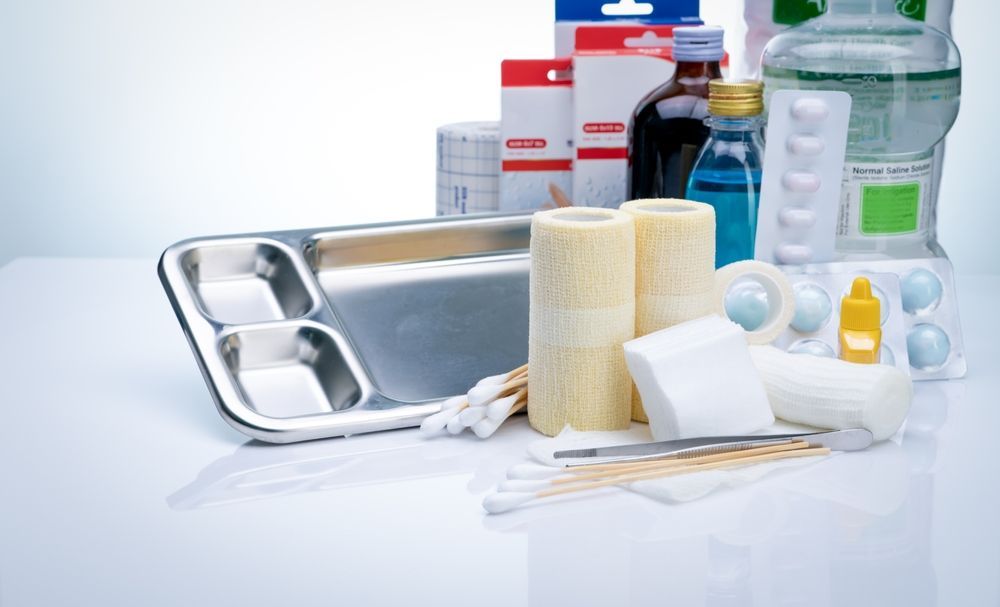
The Division confirmed that medicated wound care dressings qualify for the prescription drug exemption under Utah Code Ann. Sec. 59-12-104(10). These dressings contain substances recognized in a national Pharmacopoeia that treat disease and affect a function of the human body. The Division also relied on its prior Private Letter Ruling 08-001, concluding that when medicated dressings are purchased, the essence of the transaction is the purchase of a drug, and therefore exempt regardless of the delivery vehicle. Qualifying products include antimicrobial silver and honey dressings, PHMB-impregnated dressings, analgesic dressings, enzymatic debriding agents, growth factor gels, charcoal dressings, collagen-based dressings, and skin substitutes.
Wound Closure Products: Exempt as Prosthetic Devices
The Division confirmed that wound closure products qualify for the prosthetic device exemption under Utah Code Ann. Sec. 59-12-104(53) because they correct physical deformities and support weak or deformed portions of the body. Qualifying products include sutures, skin staples and staple reloads, disposable single-use skin staplers, skin closure devices, and skin closure strips.
An important qualification: only disposable, single-use skin staplers qualify for the exemption. The Division noted that for a disposable stapler used for one surgical procedure, the essence of the transaction is the purchase of the staples themselves. However, reusable skin staplers do not qualify as prosthetic devices and remain subject to sales and use tax.
Non-Medicated Dressings, Bandages, and Gauze: Exempt When Used for Qualifying Purposes
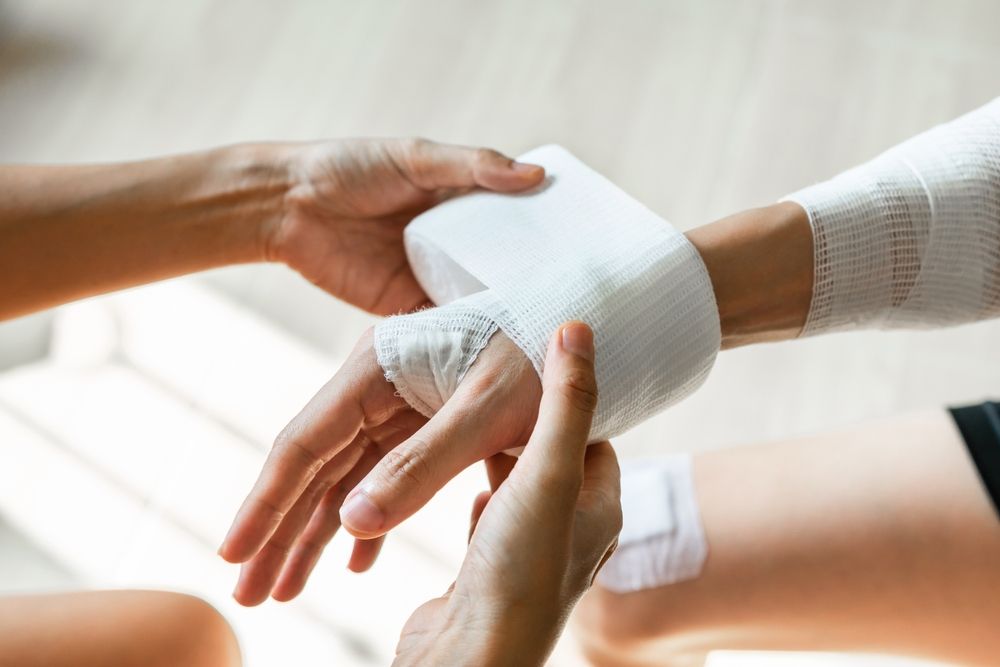
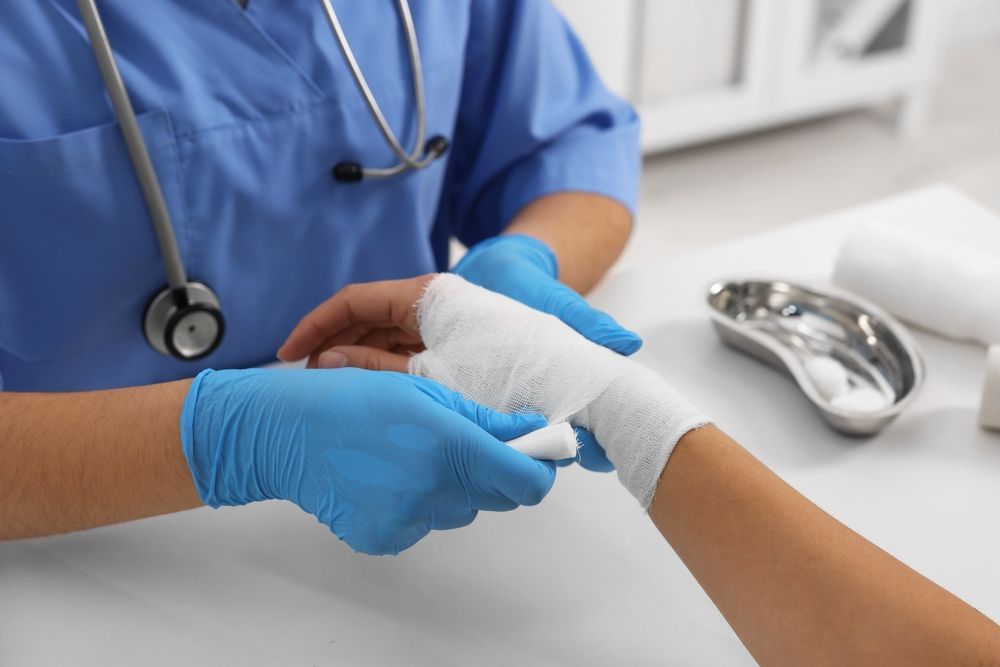
The Division confirmed that non-medicated wound dressings, bandages, and gauze qualify for the prosthetic device exemption under Utah Code Ann. Sec. 59-12-104(53), but with an important use-based qualification. These items are exempt only when used to prevent or correct a physical deformity or malfunction, or to support a weak or deformed portion of the body. When these materials are used for other purposes within a healthcare facility, they fall outside the exemption and are subject to sales and use tax. In practical terms, non-medicated dressings, bandages, and gauze used directly in wound treatment and wound management will qualify, while the same products used for unrelated clinical purposes will not. Healthcare providers should document the intended medical use of these products to substantiate the exemption.
How to Claim the Exemption
To claim the exemption going forward, Utah healthcare providers should furnish their vendors with a completed Utah Sales and Use Tax Exemption Certificate, identifying themselves as a hospital or other medical facility purchasing exempt prosthetic devices or prescription drugs. For non-medicated dressings, bandages, and gauze, providers should also be prepared to document the qualifying medical use of those products.
How to Recover Utah Sales Taxes Already Paid to Vendors
Utah healthcare facilities that paid sales or use tax on qualifying wound care products may file a refund claim using Utah State Tax Commission Form TC-62PR (Application for Refund of Utah Sales and Use Tax) to recover these overpaid taxes. Utah allows refunds for purchases made within three years from the date the seller’s return was due. Facilities must provide detailed documentation with their refund claim, including:
A detailed exemption worksheet identifying each qualifying product, the tax paid, and the applicable exemption statute
- Copies of invoices showing the sales tax paid
- Proof of taxes paid on each purchase, which can include cancelled checks or bank statements with check registers reconciling with each invoice
- Product documentation (labeling, inserts, GUDID references) demonstrating the items qualify as prescription drugs or prosthetic devices
The consultants at Agile Consulting Group have experience in recovering overpaid sales taxes from the Utah State Tax Commission and can assist any Utah healthcare provider with this cumbersome process.
Reach Out to Us with Questions
If you have any questions, comments or would like to discuss the specific circumstances you are encountering in regard to this issue or need assistance with a sales tax refund review or any other sales and use tax issue, please contact a member of Agile Consulting Group's sales tax consulting team at (888) 350-4TAX (4829) or via email at info@salesandusetax.com.