
Vermont Sales Tax Exemption for Medicated Wound Care Products and Wound Closure Devices
Vermont provides two distinct sales and use tax exemptions that apply to products purchased by healthcare providers: one for prescription drugs under 32 V.S.A. § 9741(2) and one for prosthetic devices under the same statute. The prescription drug exemption covers compounds, substances, or preparations intended for use in the diagnosis, cure, mitigation, treatment, or prevention of disease, while the prosthetic device exemption applies to replacement, corrective, or supportive devices worn on or in the body to artificially replace a missing portion of the body, prevent or correct a physical deformity or malfunction, or support a weak or deformed portion of the body (32 V.S.A. § 9701(29) and § 9701(35)).

Agile Consulting Group's Recent Guidance from the Vermont Department of Taxes
The pioneers at Agile Consulting Group submitted a comprehensive tax guidance request to the Vermont Department of Taxes to confirm the exempt status of medicated wound care products and wound closure devices under Vermont's drug and prosthetic device exemptions. Agile's guidance request argued that certain wound care products qualify for exemption either as prescription drugs (because they are infused or impregnated with pharmaceutical compounds and dispensed only pursuant to prescription) or as prosthetic devices (because they are worn on or in the body to prevent or correct physical malfunctions). The exemption applies when these products are sold to licensed healthcare facilities, specifically hospitals, ambulatory surgical centers, long-term acute care facilities, and skilled nursing facilities, and where the products are dispensed to patients under the supervision of licensed practitioners. The Department of Taxes confirmed that all of the following products qualify for a sales and use tax exemption.
Medicated Wound Care Products Qualifying as Prescription Drugs
The following types of medicated wound care products qualify for Vermont's prescription drug exemption under 32 V.S.A. § 9741(2) because they contain pharmaceutical compounds intended to treat disease by healing wounds and are legally dispensed only pursuant to prescription:
- Antimicrobial Silver Dressings
- Antimicrobial Honey Dressings
- PHMB-Impregnated Dressings
- Analgesic Dressings
- Enzymatic Debriding Agents
- Growth Factor Dressings and Gels
- Charcoal Dressings
- Collagen-Based Dressings
- Skin Substitutes
Wound Closure Products Qualifying as Prosthetic Devices
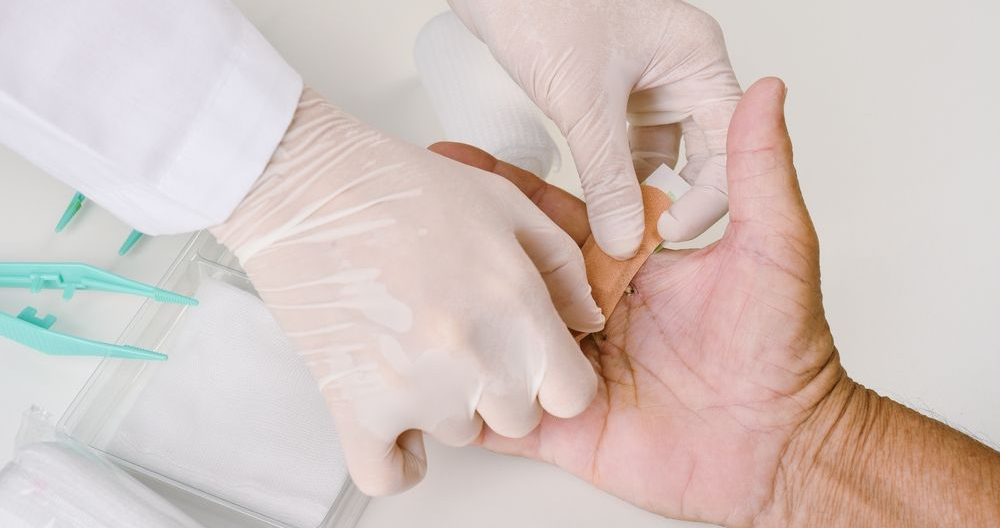
The following wound closure products qualify for Vermont's prosthetic device exemption under 32 V.S.A. § 9741(2) because they are corrective and supportive devices worn on or in the body to correct physical malfunctions by restoring skin continuity, preventing infection, and ensuring proper wound healing:
- Sutures
- Skin Staples
- Pre-Loaded Skin Staplers
- Skin Closure Devices
- Skin Closure Strips
How to Claim the Exemption
Healthcare facilities purchasing qualifying medicated wound care products or wound closure devices should provide their suppliers with a completed Vermont Purchaser's Certificate of Exemption indicating the purchase qualifies under the prescription drug exemption or the prosthetic device exemption (32 V.S.A. § 9741(2)). The certificate should reference the applicable statutory provision and specify that the products will be dispensed to patients in a licensed healthcare facility.
How to Recover Vermont Taxes Previously Paid to Vendors
Vermont allows taxpayers to claim refunds for sales tax paid in error on qualifying exempt purchases. Healthcare facilities may file a refund claim for purchases made within three years from the date the tax was paid or the return was due, whichever is later. To support the refund claim, facilities should provide: (1) original invoices showing the sales tax paid; (2) documentation demonstrating that the purchased products meet the statutory definition of either prescription drugs or prosthetic devices (such as FDA labeling showing "RX Only" designation or product specifications confirming the items are worn on or in the body to correct physical malfunctions); (3) a completed Application for Refund of Vermont Sales and Use Tax Form REF-620; and (4) attestation that the products were dispensed to patients within the healthcare facility pursuant to prescription or medical order. Facilities should submit refund claims to the Vermont Department of Taxes along with supporting documentation.
The consultants at Agile Consulting Group have experience in recovering overpaid sales taxes from the Vermont Department of Taxes and can assist any Vermont healthcare provider with this cumbersome process.
Reach Out to Us with Questions
If you have any questions, comments or would like to discuss the specific circumstances you are encountering in regard to this issue or need assistance with a sales tax refund review or any other sales and use tax issue, please contact a member of Agile Consulting Group's sales tax consulting team at (888) 350-4TAX (4829) or via email at info@salesandusetax.com.